Projects

Project case examples for scope decisions.

This page is a proof-based, decision-support view of roofing work. Each case is written as an example to illustrate constraints, scope decisions, and neutral outcomes—not as a gallery or a promise of results.

Use these examples to compare tradeoffs (materials, access, ventilation, water management, documentation) and to clarify what to ask during an inspection.

Filter by project type

Filters help you view cases with similar constraints. No animations or reordering—just show/hide.

Case examples

Each case describes conditions, scope decisions, and a neutral outcome. Images (where shown) are secondary and representative.

  1. Replacement Ventilation Asphalt

    Example: Replacement planning with ventilation constraints

    Example case focused on defining scope for an aging roof where attic access and existing vent paths limited available options.

    Conditions

    • Shingle wear near end of service life
    • Limited attic access for intake evaluation
    • Flashing transitions with mixed material types

    Scope decisions

    • Define replacement scope with optional ventilation paths (when feasible)
    • Specify underlayment and water-shedding layers by roof geometry
    • Detail edge and flashing requirements as line items (required vs optional)

    Outcome (neutral)

    • Scope options documented for decision-making
    • Ventilation choices clarified with constraints noted
    • Scheduling and materials framed as availability-dependent
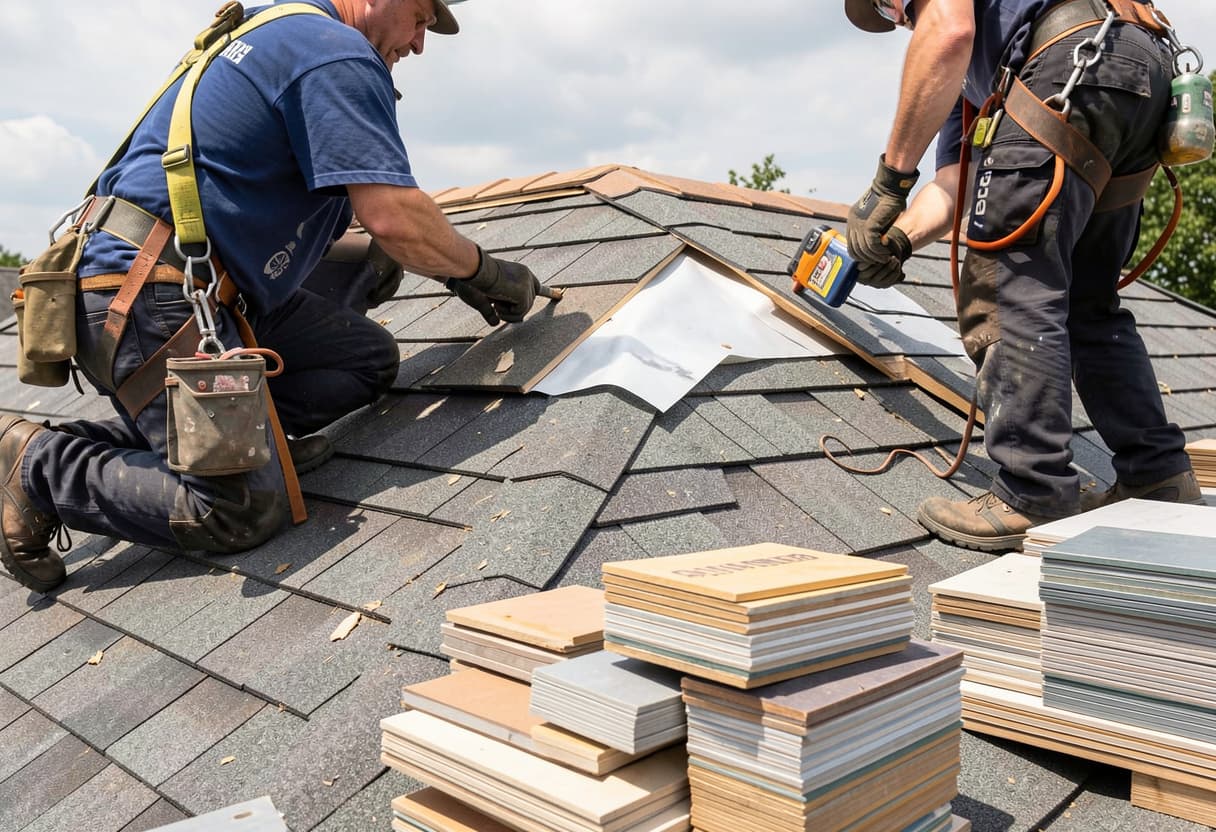
    Representative example image of a shingle roof replacement work area
    Representative example image.
  2. Repairs Detailing

    Example: Leak investigation with flashing scope options

    Example case where the decision was between a small targeted repair and a larger flashing/transition scope based on observed detailing.

    Conditions

    • Interior leak symptoms near a transition
    • Sealant fatigue and aged flashing details
    • Material matching constraints

    Scope decisions

    • Start with cause identification (not symptom coverage)
    • Offer targeted component replacement vs broader flashing scope
    • Document compatibility assumptions and exclusions

    Outcome (neutral)

    • Repair scope aligned to observed source and access limits
    • Optional items identified for future planning if needed
    • Notes captured for follow-up and documentation
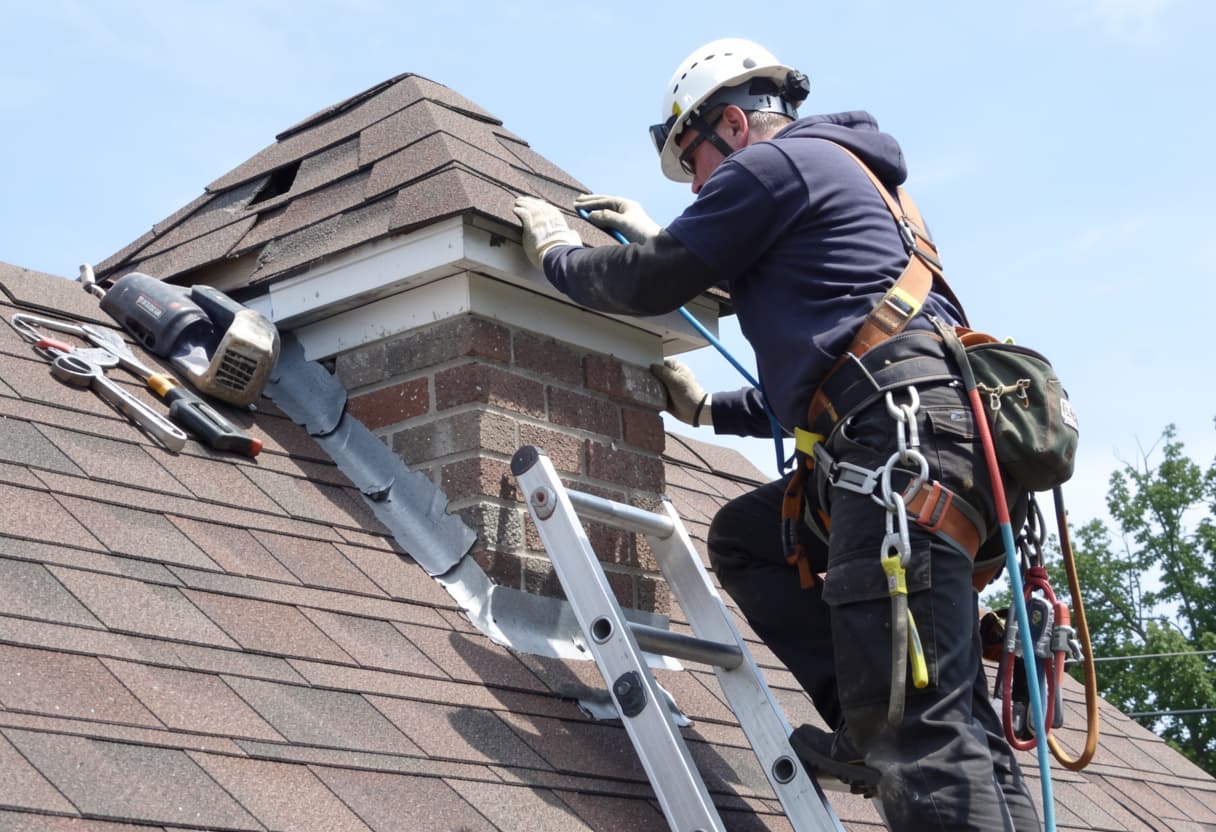
    Representative example image of roof repair work in progress
    Representative example image.
  3. Storm Documentation

    Example: Post-event condition review with documentation depth options

    Example case showing how documentation depth and timing can change based on the event type, roof material sensitivity, and access.

    Conditions

    • Recent weather event with uncertain impact visibility
    • Roof age and material sensitivity considerations
    • Scheduling constraints post-event

    Scope decisions

    • Separate required items from optional improvements
    • Offer photo documentation as an add-on where appropriate
    • Describe scope assumptions based on accessible areas

    Outcome (neutral)

    • Observed conditions summarized with uncertainties noted
    • Next-step options outlined (repair vs planning scope)
    • Documentation packaged for recordkeeping
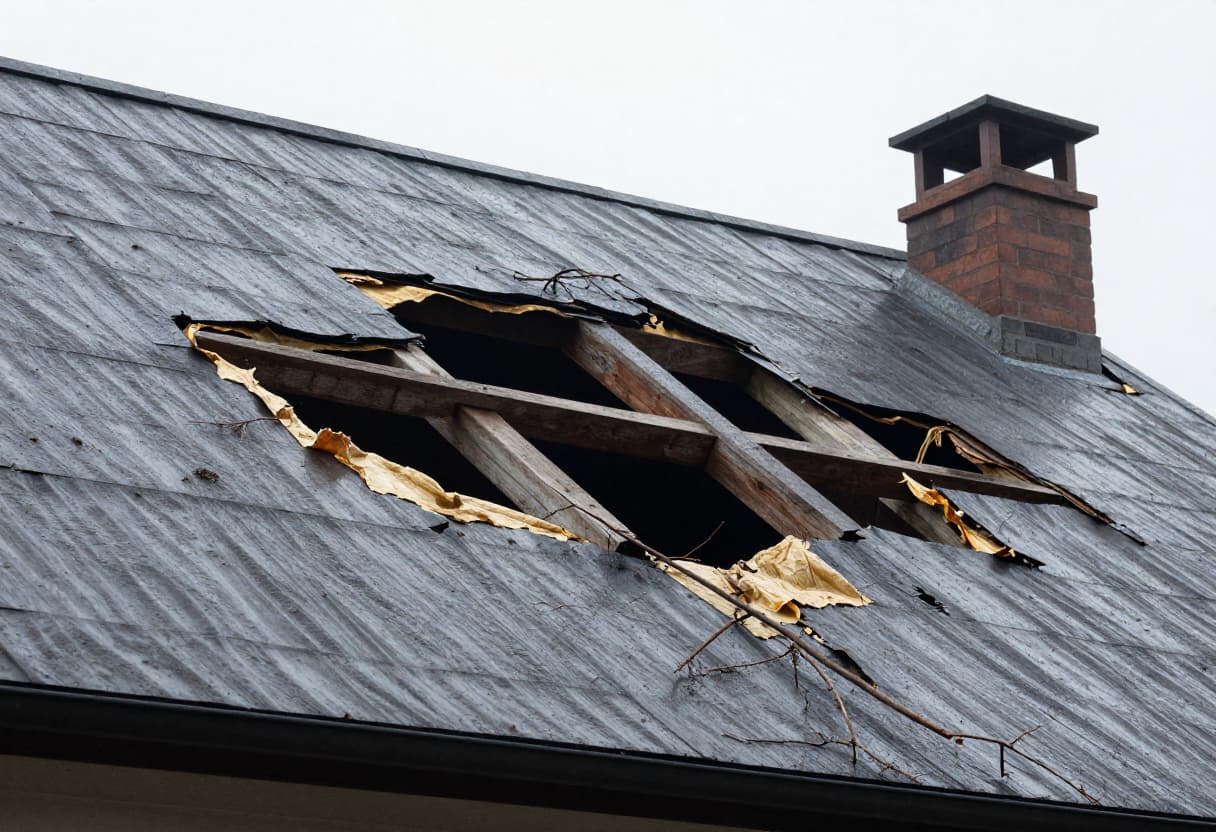
    Representative example image of roof surface after a weather event
    Representative example image.
  4. Inspection Ventilation

    Example: Inspection used to define scope priorities

    Example case where inspection findings were used to prioritize the sequence of work (repairs vs replacement planning vs ventilation adjustments).

    Conditions

    • Mixed symptoms (comfort, moisture risk, and minor surface wear)
    • Access limitations affecting documentation depth
    • Multiple possible contributing factors

    Scope decisions

    • Provide prioritized recommendations (now vs later)
    • Offer documentation options (photos/notes) based on goals
    • Clarify what requires further investigation

    Outcome (neutral)

    • Scope priorities documented in a decision-ready format
    • Tradeoffs and constraints explicitly stated
    • Next-step scheduling framed as availability-dependent
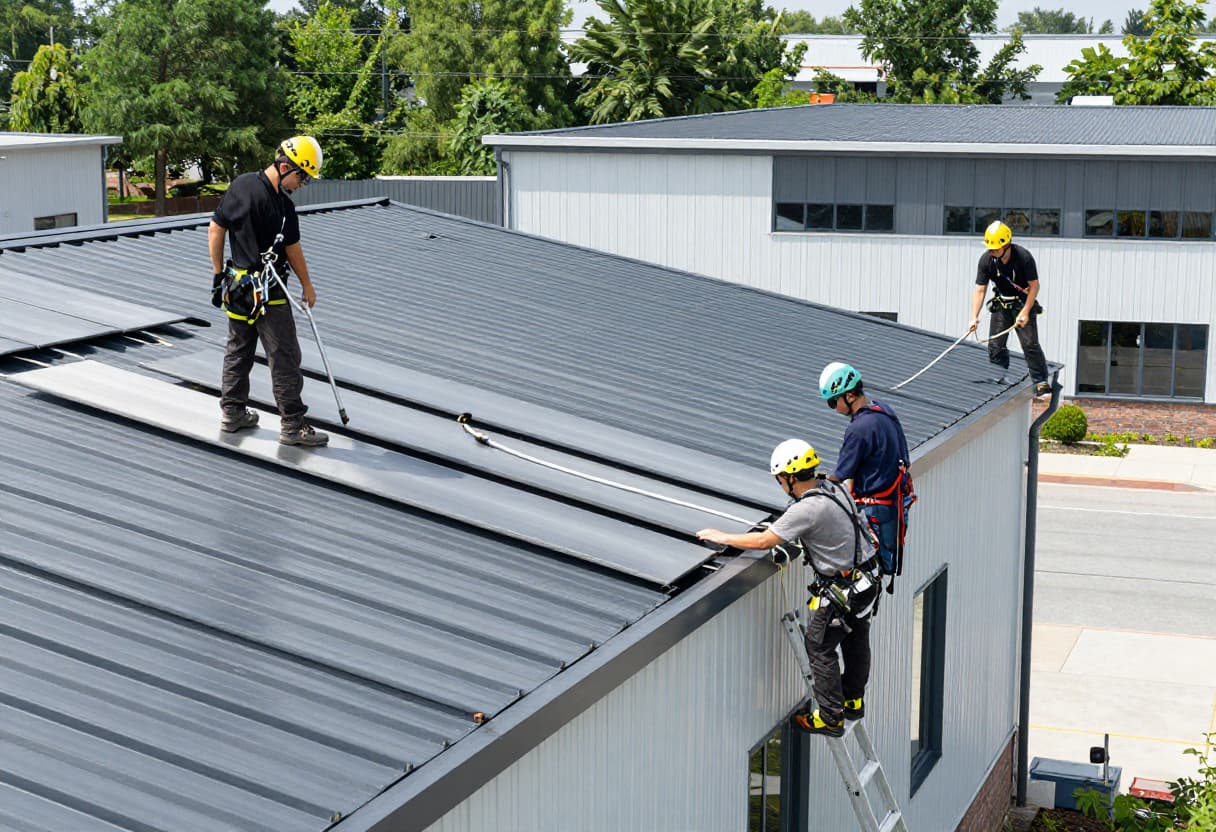
    Representative example image related to a roof inspection
    Representative example image.
  5. Gutters Water management

    Example: Drainage improvements based on routing constraints

    Example case showing how gutter scope changes based on linear footage, downspout routing constraints, and site drainage goals.

    Conditions

    • Overflow concerns and uneven drainage patterns
    • Site constraints affecting downspout placement
    • Access and height considerations

    Scope decisions

    • Define routing assumptions and alternatives
    • Specify sizing based on roof drainage patterns
    • Note optional guard options with compatibility caveats

    Outcome (neutral)

    • Drainage plan documented with constraints
    • Optional upgrades separated from required items
    • Scope framed as structure- and site-dependent
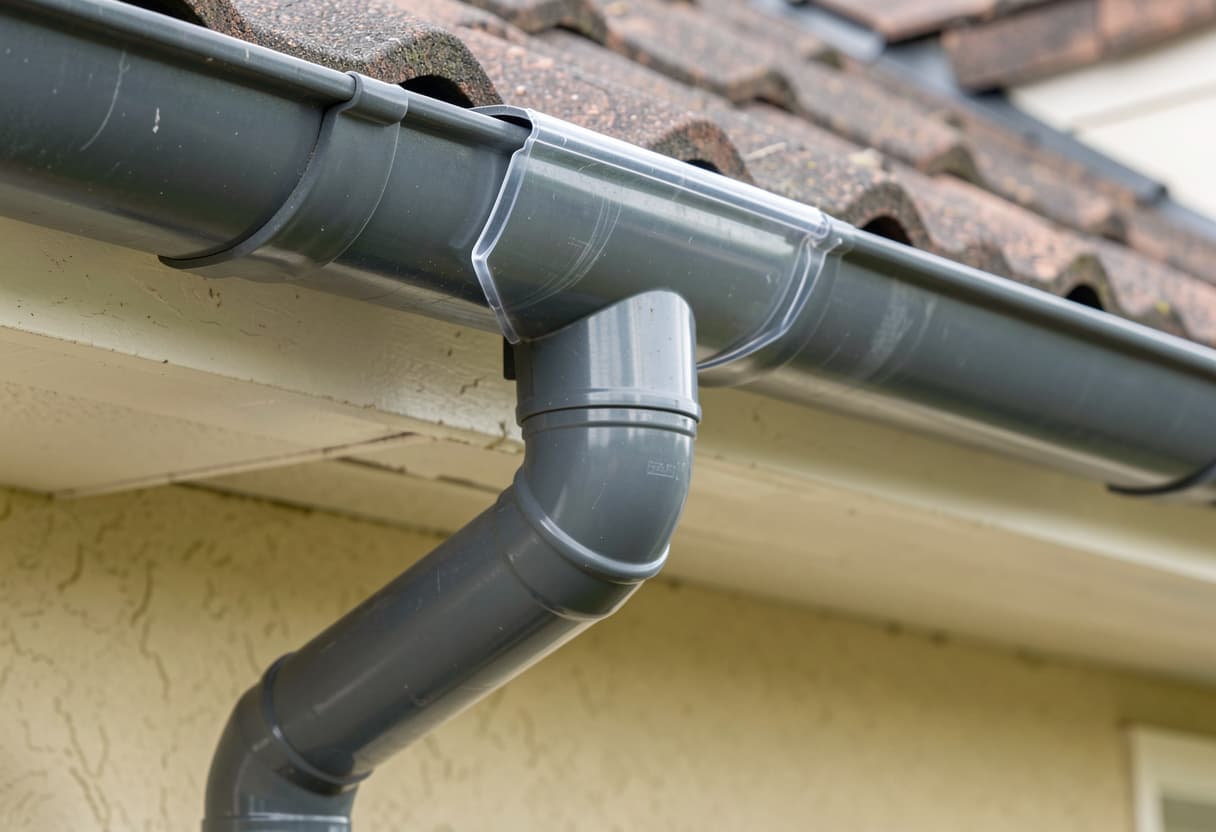
    Representative example image of gutters and roof edge drainage
    Representative example image.
  6. Ventilation Metal

    Example: Ventilation options reviewed for system compatibility

    Example case focused on intake/exhaust compatibility and how vent selection depends on roof type, existing conditions, and detailing requirements.

    Conditions

    • Ventilation symptoms and temperature swings reported
    • Roof type and vent product compatibility constraints
    • Insulation and moisture considerations

    Scope decisions

    • Review intake and exhaust options as a balanced system
    • Document constraints and what requires attic access confirmation
    • Separate planning scope from installation scope

    Outcome (neutral)

    • Options documented with compatibility notes
    • Constraints clarified before committing to scope
    • Material availability treated as variable
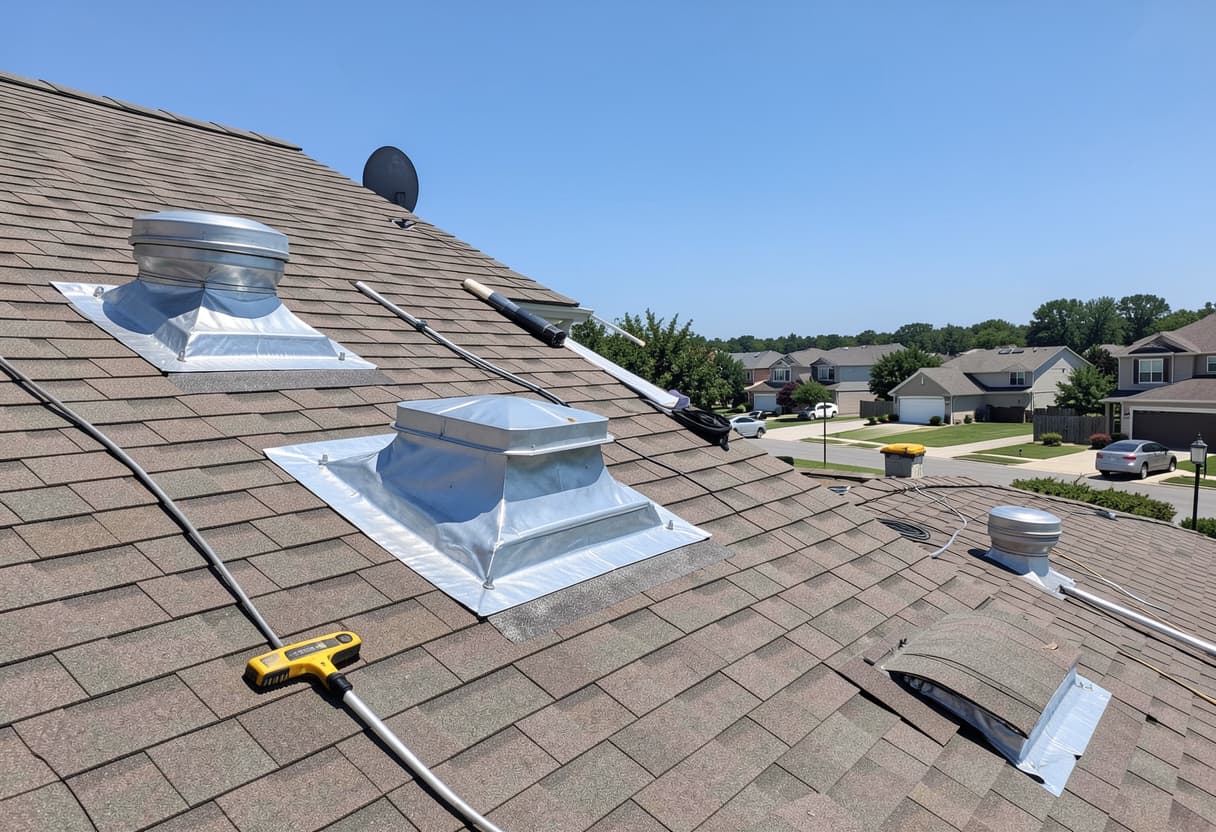
    Representative example image related to roof ventilation
    Representative example image.

What these projects illustrate

Roofing scope is shaped by constraints. The same service category can look different based on structure, access, material system, moisture risk, and local availability.

  • Conditions drive scope: access, layers, and transitions often decide what is feasible.
  • Documentation is optional: depth varies by goals and constraints, not by marketing.
  • Tradeoffs are normal: cost, durability, and complexity rarely move together.
  • System compatibility matters: materials and ventilation choices must match roof type and detailing.

Image disclaimer

Images are representative examples. Final scope, materials, and results vary by structure, condition, and location.

Next step: define scope with an inspection

If you share your ZIP code and roof type, we can outline scope options and what would be confirmed on-site. No urgency language—just planning.

Schedule inspection